The Four Horsemen of the Apocalypse

The Four Horsemen of the Apocalypse, as described in the Book of Revelation (6:1–8), symbolize the cataclysmic events that will unfold during the end times, signaling the impending judgment and ultimate destruction of the world. These vivid and allegorical figures, riding on their respective horses, represent conquest, war, famine, and death. Their appearance and actions evoke a sense of awe and dread, encapsulating the profound impact they will have on humanity.
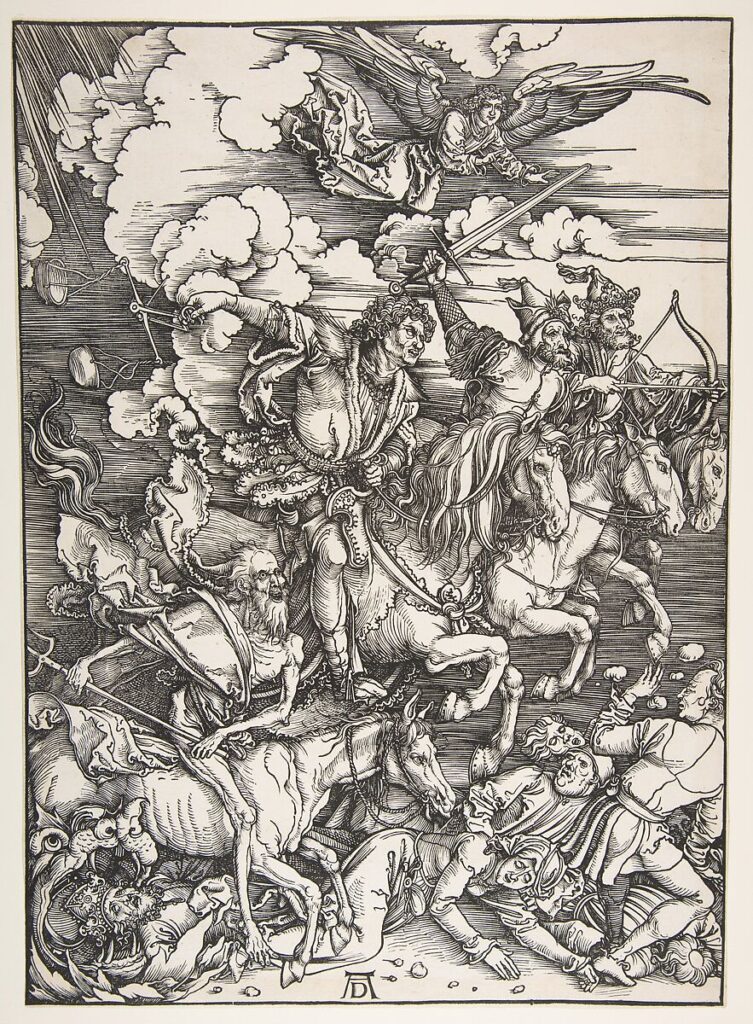
The first horseman, riding a white horse, represents conquest or conquest through deception. He comes wielding a bow but lacks arrows, signifying his ability to conquer through cunning and manipulation rather than outright force. This figure represents the rise of false ideologies, oppressive regimes, and the manipulation of truth, which will lead humanity astray.

The second horseman, riding a red horse, signifies war. He carries a mighty sword, reflecting the bloodshed and violence that will ravage the earth during the end times. Wars and conflicts will escalate, leading to widespread destruction and suffering. This horseman serves as a chilling reminder of the consequences of humanity’s lust for power and dominance.

The third horseman, mounted on a black horse, symbolizes famine. He carries scales, indicating the scarcity and imbalance that will afflict the world. As food shortages and economic turmoil grip the nations, hunger and desperation will prevail. This horseman represents the dire consequences of human greed, overconsumption, and the exploitation of natural resources.

The fourth and final horseman, riding a pale horse, personifies death itself. Hades follows closely behind, and together they bring about destruction and despair. Death will claim a significant portion of humanity, whether through natural disasters, disease, or the horrors of war. This horseman reminds us of the inevitable nature of mortality and the fragility of human existence.

The Four Horsemen of the Apocalypse serve as a powerful reminder of the consequences of humanity’s actions and the need for spiritual reflection. They symbolize the culmination of divine judgment and the end of an era. However, they also offer a glimmer of hope, as they pave the way for a new beginning and the ultimate triumph of good over evil.

In conclusion, the Four Horsemen of the Apocalypse, as described in the Book of Revelation, represent conquest, war, famine, and death. They serve as harbingers of the cataclysmic events that will unfold during the end times. These figures embody the consequences of humanity’s choices and actions, offering a warning and a call to repentance. While they symbolize destruction and despair, they also represent the possibility of redemption and the ultimate triumph of righteousness.

This text was generated by chatGPT.

The image is from the Metropolitan Museum of Art’s Open Collection
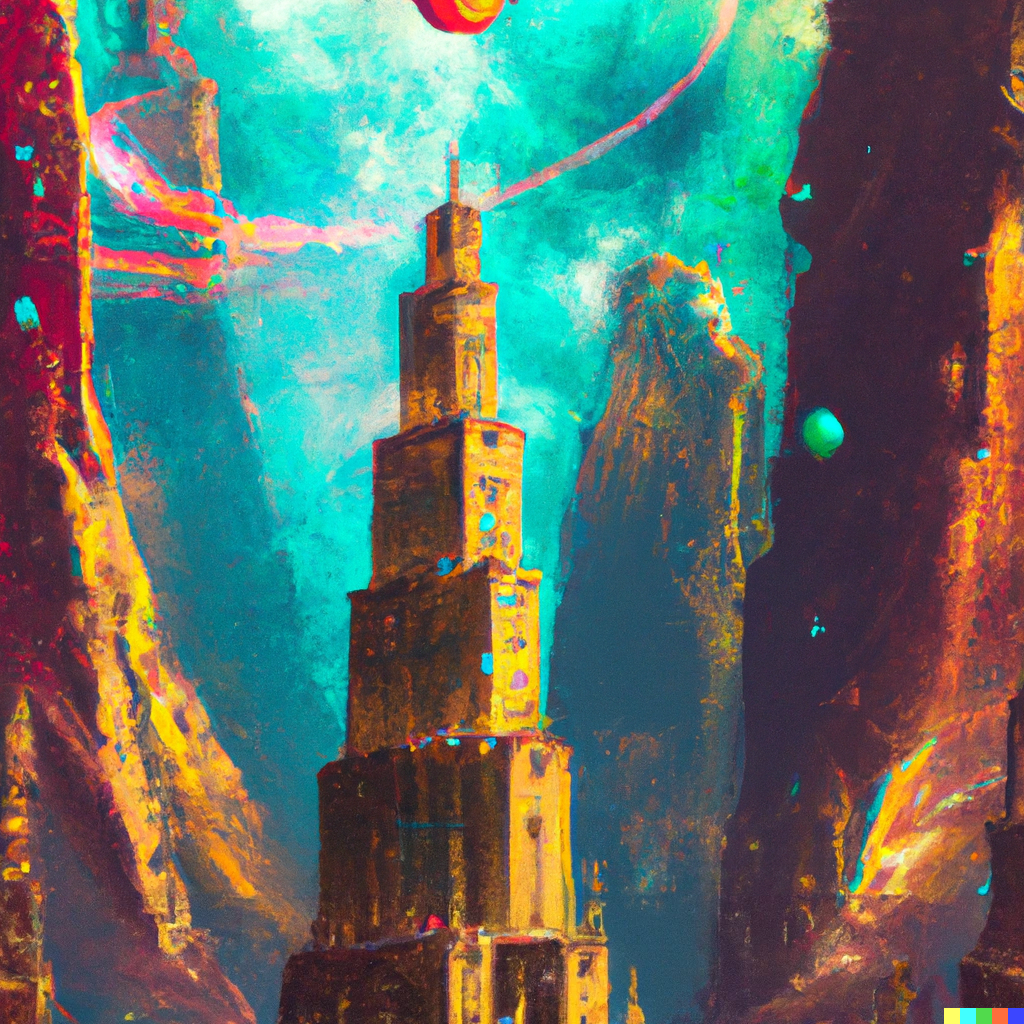
The Tower of Babel: A Testament to Human Ambition and the Diversity of Languages

The Tower of Babel stands as an enduring symbol of human ambition, unity, and the consequences of hubris. This ancient tale, found in the book of Genesis, recounts the story of an extraordinary architectural endeavor that aimed to reach the heavens. Beyond its biblical significance, the Tower of Babel serves as a metaphor for the diversity of languages and the dispersion of humanity across the world. In this essay, we will explore the historical and symbolic aspects of the Tower of Babel, and its profound implications on human civilization.

According to the biblical narrative, the Tower of Babel was constructed in the land of Shinar, by a united humanity following the Great Flood. Led by King Nimrod, the people sought to build a tower that would “reach to the heavens” and make a name for themselves. However, their endeavor was met with divine intervention. God, displeased by their hubris, confused their language, resulting in the scattering of mankind across the face of the earth.

The story of the Tower of Babel carries multiple layers of symbolism and themes. Firstly, it serves as a cautionary tale about the dangers of human pride and the pursuit of glory. The ambitious undertaking of constructing a tower to rival the heavens reflects humanity’s desire to challenge the divine and elevate themselves to equal status. The divine intervention and subsequent dispersion highlight the inherent limitations of mortal beings and the importance of humility.

Furthermore, the Tower of Babel symbolizes the origin of linguistic diversity. Before the divine intervention, the entire human population spoke a single language. The confusion of languages resulted in the development of different tongues, creating barriers to communication and fostering cultural and geographical diversity. This diversity, while presenting challenges, also enriches human society with a variety of perspectives, cultures, and traditions.

The story of the Tower of Babel reverberates throughout human civilization, shaping our understanding of language, culture, and unity. The dispersion of humanity led to the formation of distinct societies and nations, each with its unique language and customs. This linguistic diversity, while initially a consequence of divine intervention, has become an essential aspect of human identity and communication.

Moreover, the story of the Tower of Babel teaches us the value of embracing diversity and seeking common ground amidst our differences. It reminds us that despite our varying languages and cultures, we share a common humanity. It challenges us to find ways to bridge linguistic and cultural gaps, fostering understanding and collaboration.

The Tower of Babel narrative remains a powerful and thought-provoking tale, transcending religious and cultural boundaries. Its historical and symbolic significance continues to inspire philosophical, theological, and artistic interpretations. The story serves as a reminder of the importance of humility, the consequences of hubris, and the blessings of diversity. In an interconnected world, where communication and understanding are vital, the Tower of Babel invites us to appreciate the mosaic of languages and cultures, and to strive for unity in diversity.

ChatGPT composed today’s narrative. The graphic was manifest by DALLE – 2.

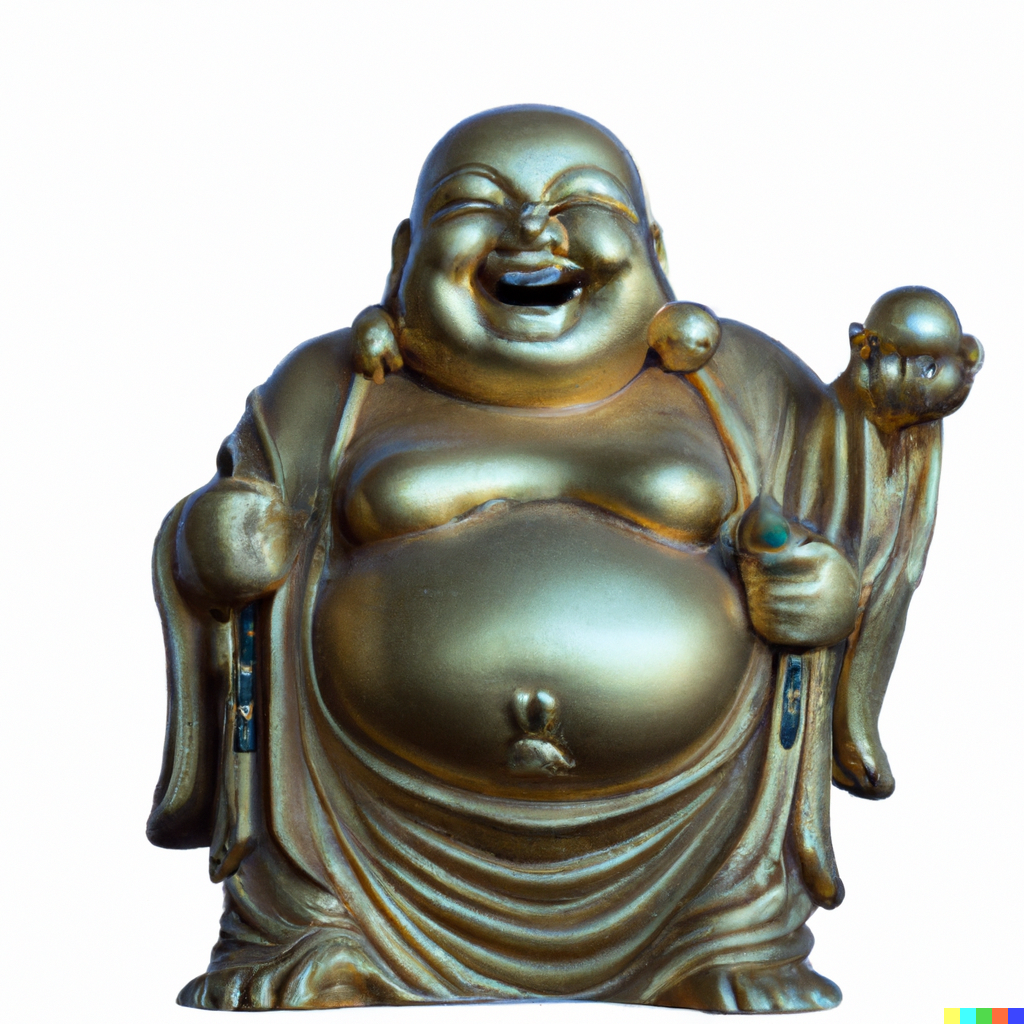
Blessed By Rubbing Buddha’s Belly

Rubbing Buddha’s belly is a symbolic gesture often associated with good luck and prosperity.

Rubbing Buddha's belly to receive a blessing.

Rubbing Buddha’s belly is believed to bring about several benefits:

1. Luck and fortune: Rubbing Buddha’s belly is thought to attract luck and good fortune into one’s life, bringing positive outcomes and opportunities.

2. Abundance and prosperity: It is believed that rubbing the belly can invite wealth and abundance, creating financial stability and material well-being.

3. Inner peace and happiness: The act of rubbing Buddha’s belly can promote a sense of tranquility and serenity, helping to alleviate stress and cultivate inner peace.

4. Health and well-being: Some believe that rubbing the belly can enhance physical and mental well-being, contributing to overall health and vitality.

5. Fertility and family harmony: It is said that rubbing the belly can encourage fertility and enhance family relationships, fostering love and harmony within the household.

6. Wish fulfillment: Rubbing Buddha’s belly is often associated with making wishes. It is believed that by focusing on one’s desires while rubbing, the chances of those wishes coming true may increase.

7. Positive energy: The act of rubbing Buddha’s belly is believed to generate positive energy, cleansing and purifying one’s surroundings and promoting a harmonious atmosphere.

8. Spiritual growth: By engaging in this practice, individuals may experience a heightened sense of spiritual connection, deepening their understanding and strengthening their faith.

9. Mindfulness and self-reflection: Rubbing Buddha’s belly can serve as a reminder to be present in the moment and engage in self-reflection, fostering a greater sense of self-awareness and personal growth.

10. Cultural appreciation: Engaging in this tradition allows individuals to appreciate and connect with the rich cultural heritage and symbolism associated with Buddhism, promoting intercultural understanding and respect.

The image of Buddha was generated using DALLE – 2. The accompanying text was composed by chatGPT from OpenAI.

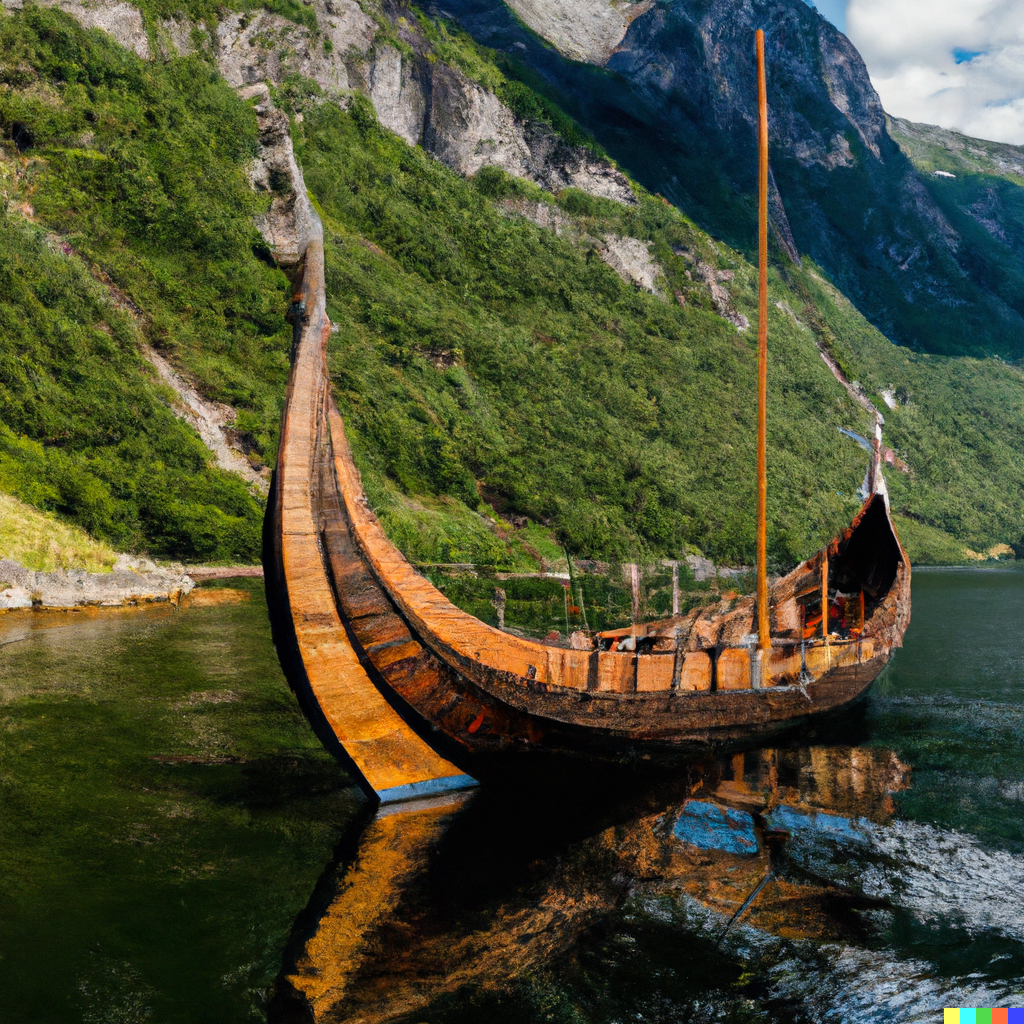
An Amazing Viking Longship

Continuing my play with DALLE – 2 and chatGPT. Today we are drawing a Viking longship and discussing a bit about it.

A Viking longship was a type of sail-and-oar vessel that was used by the Norsemen, commonly known as the Vikings, for commerce, exploration, and warfare during the Viking Age. The longship was a powerful naval weapon in its time and was highly valued by the Vikings. The longship was long and narrow, with a shallow draught, which meant that it could be used in shallow water.

The ship was clinker-built, with overlapped planks, and carried a single square sail, which made it exceptionally sturdy in heavy seas. The longship’s design evolved over many centuries, and continued up until the sixth century with clinker-built ships like Nydam. The longship appeared in its complete form between the ninth and 13th centuries. The ship’s ancestor was the dugout, and the longship remained double-ended. The prow of the ship was often decorated with a carving of an animal head, such as a dragon or a snake.

The longship was used by the Vikings to make raids and carry their warriors. The ship was also used for transportation and exploration, and it played an important role in history.

Exploring the Unknown of AI Art

It is always fun to venture into the unknown and to explore new regions or opportunities.

I’ve been playing with DALLE – 2 and chatGPT. Both are very interesting and very exciting.

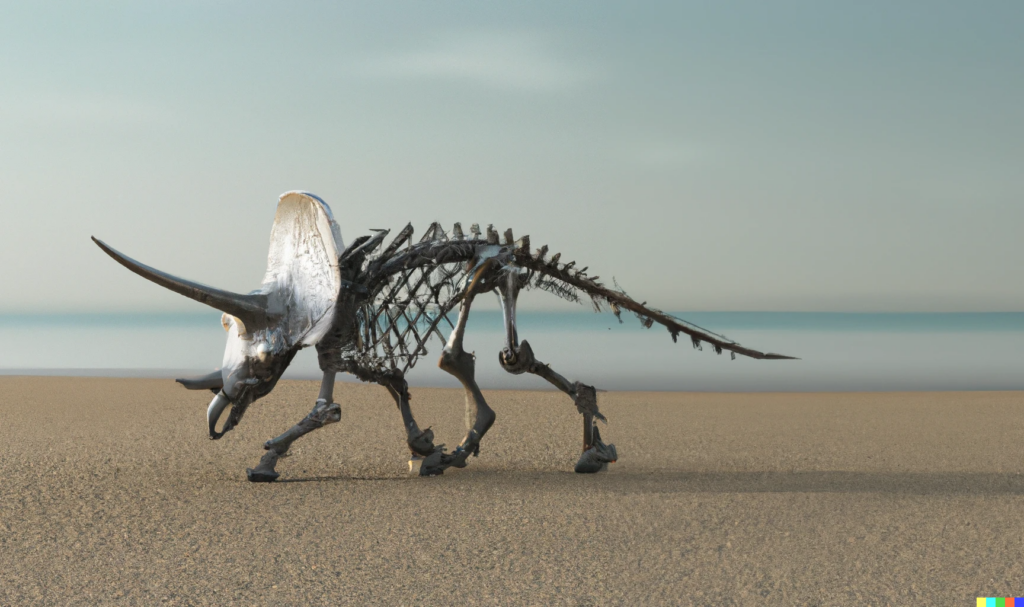
I thought I would try my hand at some artwork. The first is an image of dinosaur’s skeleton on a beach.

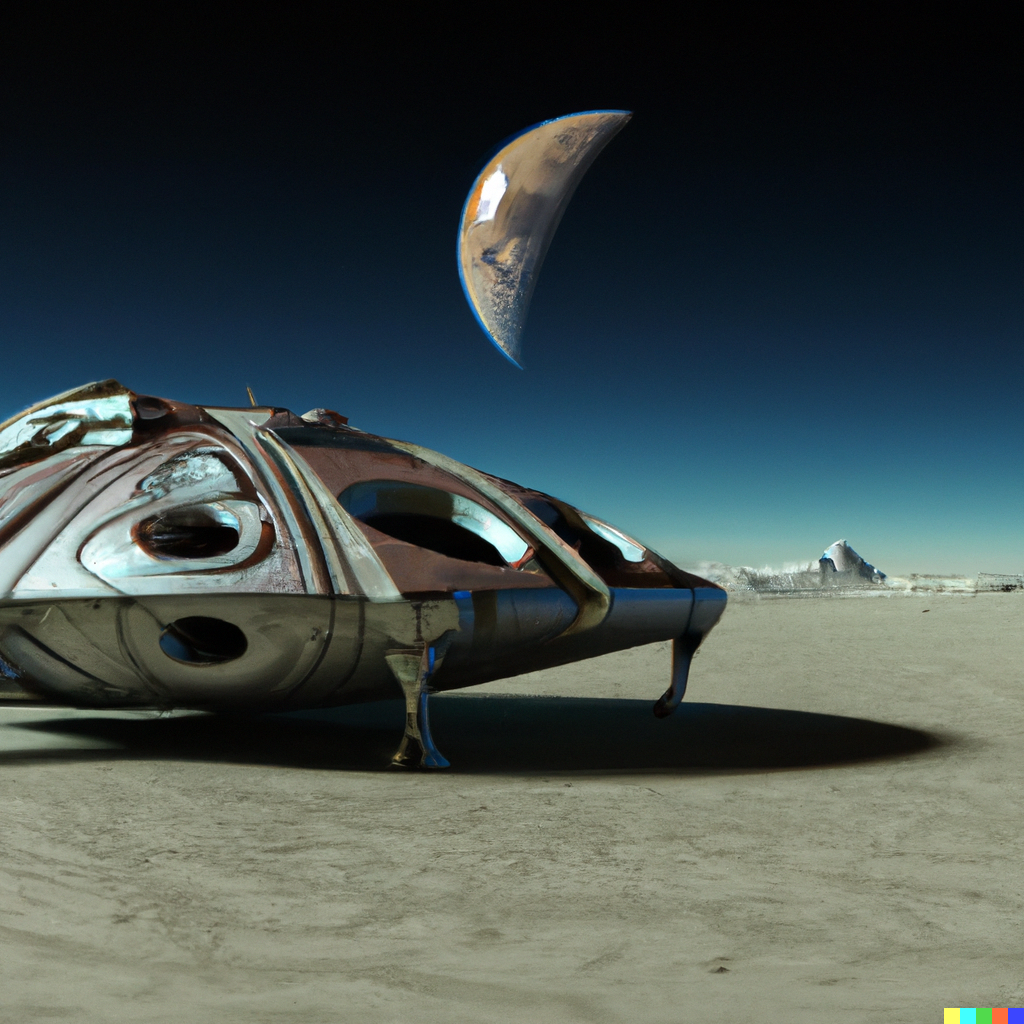
Of course, to get to the beach we need some kind of special explorer’s vehicle. So here it is. Don’t worry Elon. We are not running on gas. This baby is nuclear powered.

And when it is time to go home, we don’t want to dally. We have adequate stores of di-lithium crystals to keep our engines warping for years.

I am having fun. Thanks for letting me share.

Here is what chatGPT had to say:

Exploring new places and things can be incredibly exciting and rewarding. It can provide great mental health benefits, encourage healthy eating, and boost your immune system1. The thrill of discovering something new can create a state of great excitement2. Exploring space, for example, can help us address fundamental questions about our place in the universe and expand technology, creating new industries and fostering a peaceful connection with other nations3. Additionally, exploring new places can provide opportunities for exercise and can open up new avenues for manufacturing, product design, and resource distribution4. The unknown is more than just “enriching” – it can be life-changing and transformative5.

Respect For The American Buffalo

I

The American buffalo is a symbol of strength and resilience in American culture[1]. The decimation of millions of bison in the 1800s had a devastating impact on Native American people and society[2]. Today, bison are central to many Native American traditions, spiritual rituals, and healthy diets, and more than 60 tribes are working to bring back their sacred Brother Buffalo to their families, lands, and ways of life[2]. The American buffalo is also the subject of documentaries and films that highlight its history and significance[1][3][4].

Boldly Exploring AI Space and Worlds

Artificial intelligence (AI) is not only a powerful tool for solving complex problems, but also a creative medium for exploring new possibilities. AI space and worlds are virtual environments that are generated and populated by AI agents, who can interact with each other and with human visitors. These spaces and worlds can be used for various purposes, such as entertainment, education, research, and art.

One of the main challenges of creating AI space and worlds is to design AI agents that are diverse, intelligent, and engaging. Diversity means that the agents have different personalities, goals, and behaviors, which can lead to interesting dynamics and emergent phenomena. Intelligence means that the agents can learn from their experiences, adapt to changing situations, and communicate with natural language. Engaging means that the agents can elicit curiosity, empathy, and emotion from the human visitors, who can also influence the agents’ actions and outcomes.

AI space and worlds are not only fascinating to explore, but also valuable to learn from. They can help us understand more about ourselves, our society, and our future. They can also inspire us to imagine new possibilities and create new realities.

The red, white and blue planet. Rather interesting, isn’t it. What possibilities could we discover here if we visited.

Maybe we would find a stunning waterfall, filling an isolated pool. The perfect place to relax and meditate.

In an AI world, you can have as many waterfalls as you want. But let the machine figure out what they will look like and where they will be.

The adventure has just begun. Who knows what will appear next?

Roll the prompts and go where no man has gone before.

All images in the post were done with DALL-E 2.

Portions of the text were composed in chatGPT.

Ode to the University of Virginia

The University of Virginia,
A place of academic excellence,
Where students and faculty thrive,
And teaching is of great relevance.

The Center for Teaching Excellence,
Enhances faculty’s teaching abilities,
Producing world-class educational experiences,
For students with diverse possibilities.

The Centennial Fund for Faculty Excellence,
Guarantees the attraction and retention,
Of inspirational and gifted educators,
Who enrich learning with passion.

The University’s Inclusive Excellence Plan,
Aspires for academic programs that are relevant,
Engaging, innovative, and highly experiential,
Preparing a diverse group of students for the present.

The School of Engineering and Applied Science,
Affirms its core value of excellence through diversity,
With its Distinguished Learning Series,
Featuring speakers who inspire unity.

The University of Virginia,
A place where greatness and goodness meet,
Preparing students for the future,
With academic and faculty excellence that can’t be beat.

Go Hoos ! ! !

The New Game

There is a new game in town, actually many new games. Artificial Intelligence (AI) is penetrating almost every part of our lives. I’ve enjoyed playing with the chat programs immensely. Spooky how much they seem like living entities.

Right now I am playing with DALL-E. Graphics has always been a huge draw for me. DALL-E is like Christmas in a candy store. So let me share a few of my recent scribbles.

Drawn to the light

I was drawn to the light. The attractive force was too strong to resist.

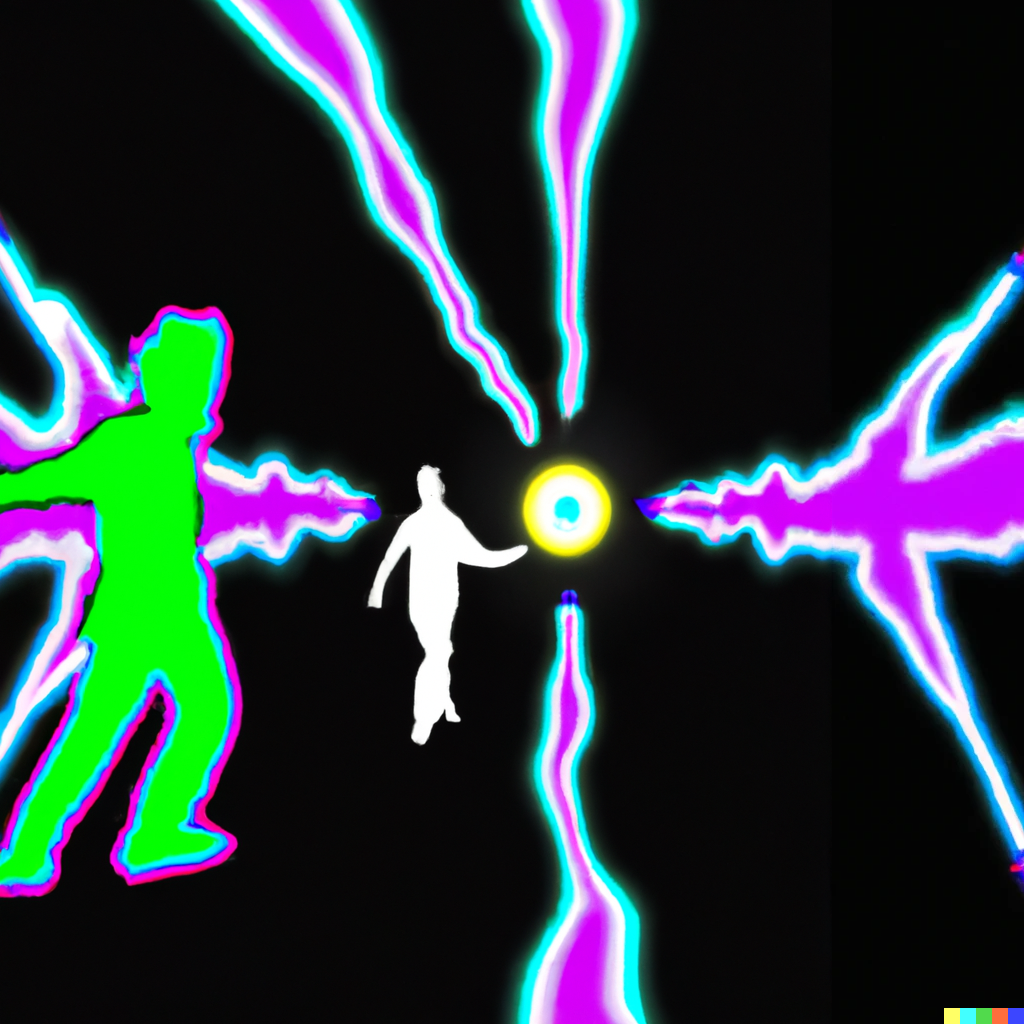
Black light lasers

The black light lasers were really pumping. The noise was deafening as the beams sliced through the air and exploded when they hit their targets.

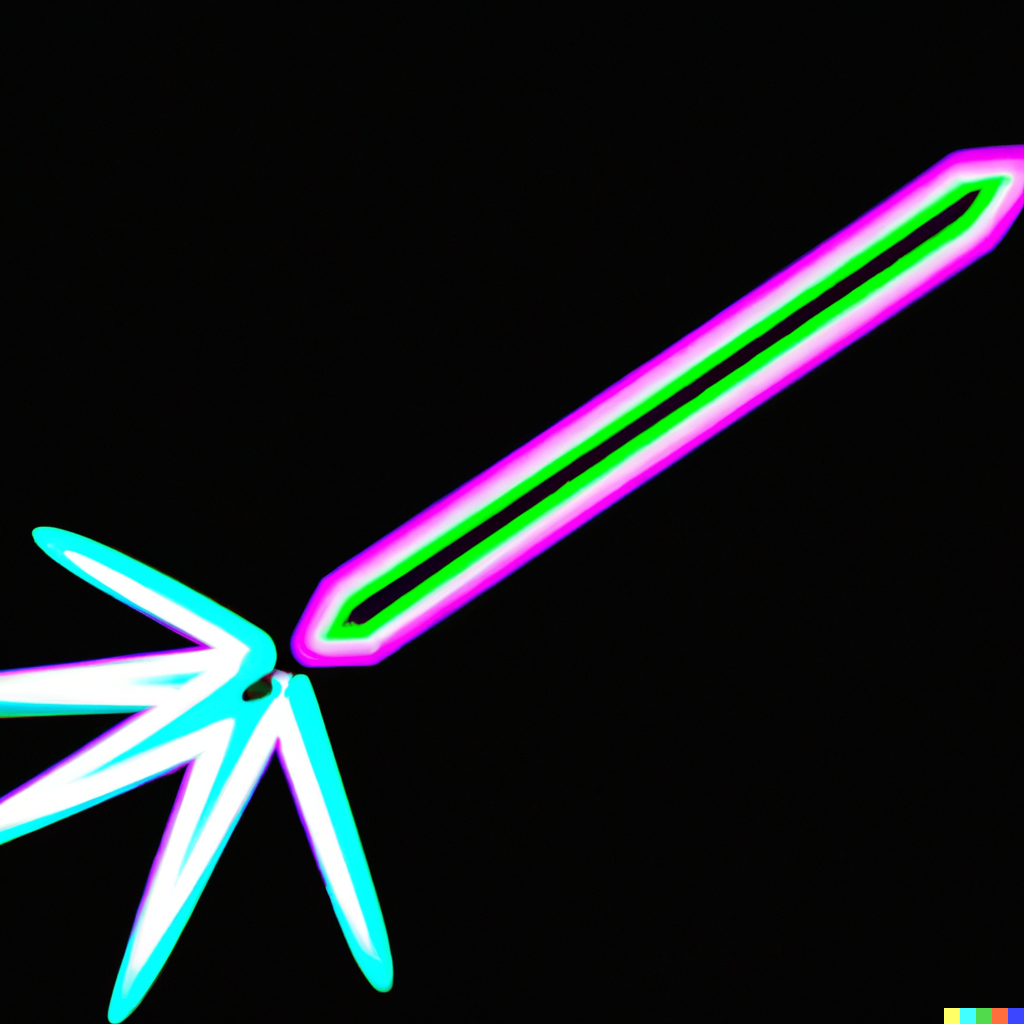
Photon torpedeo

I crafted a photon torpedo. Blinded by the light and then vaporized.

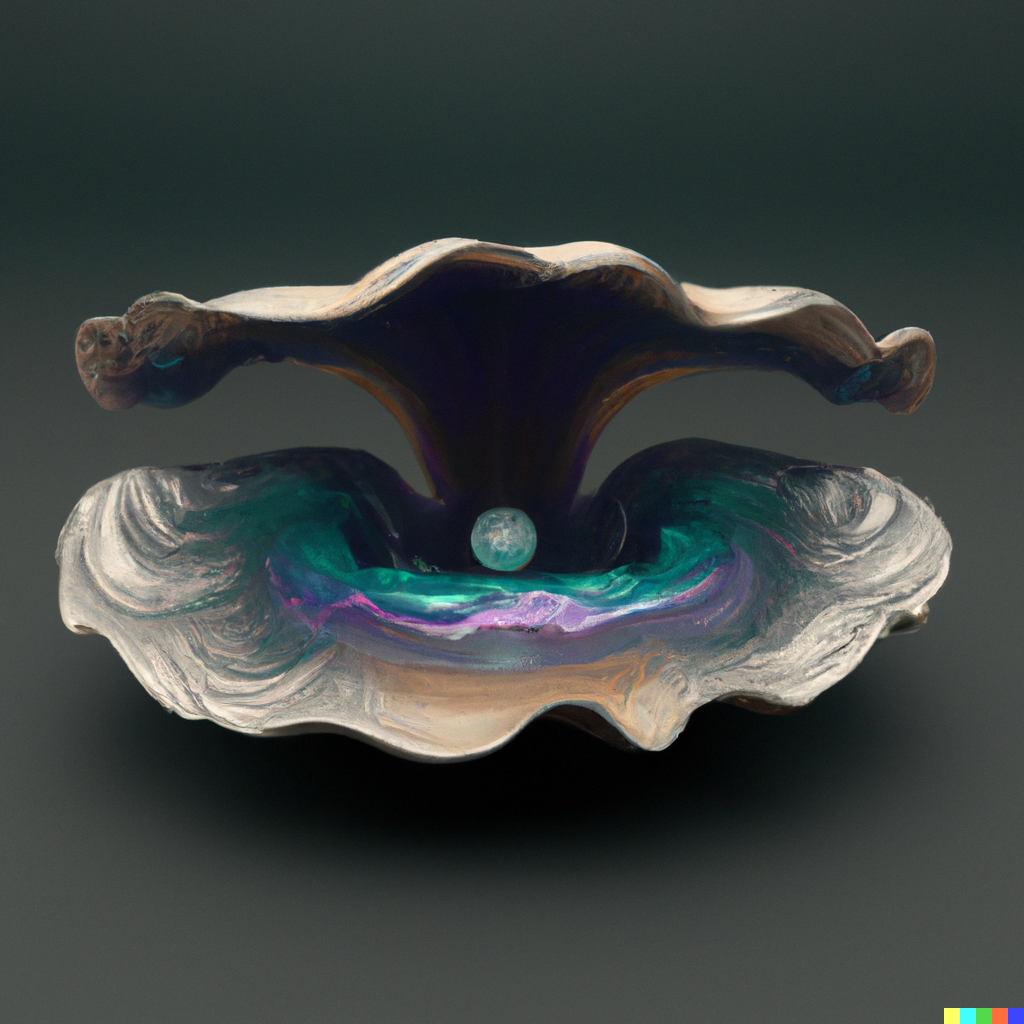
Giant clam with pearl

DALL-E is a great program. You might say it’s a genuine pearl. And fast, it renders images in the blink of an eye.

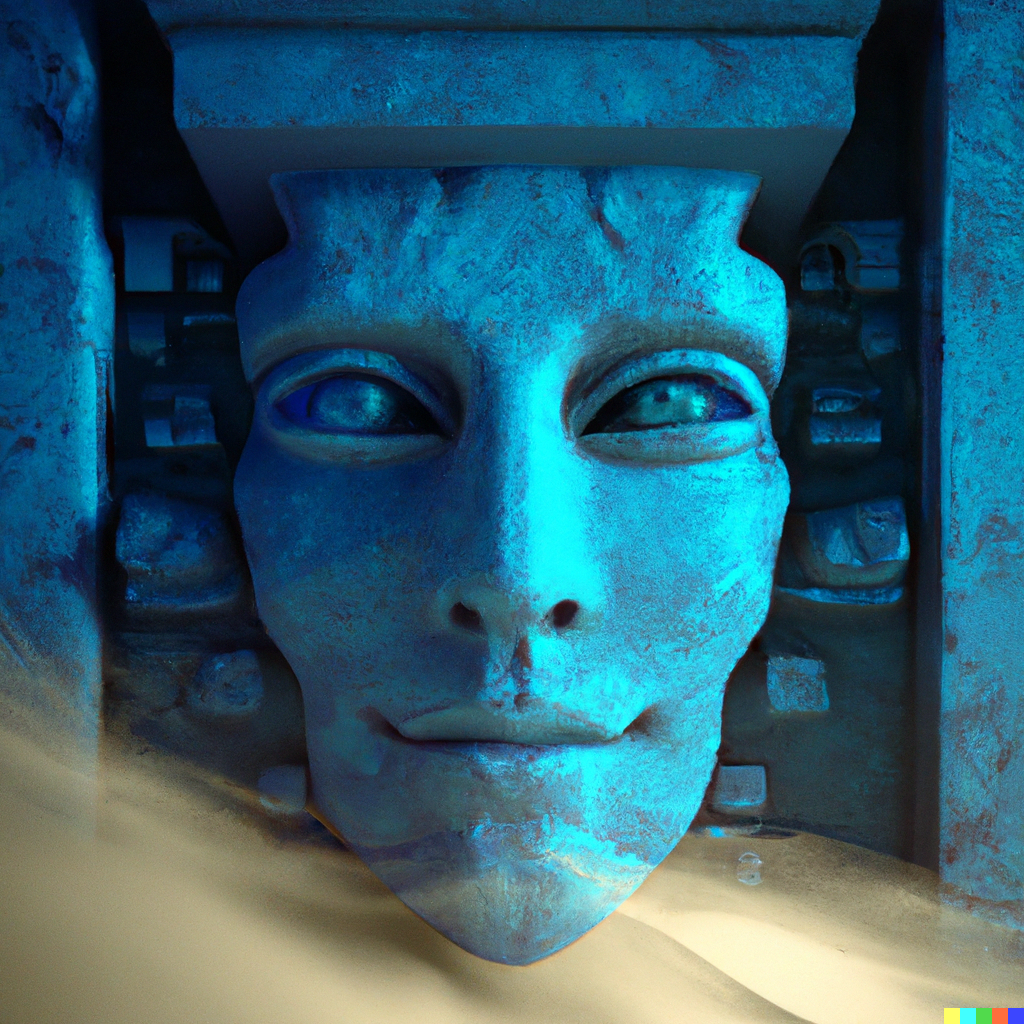
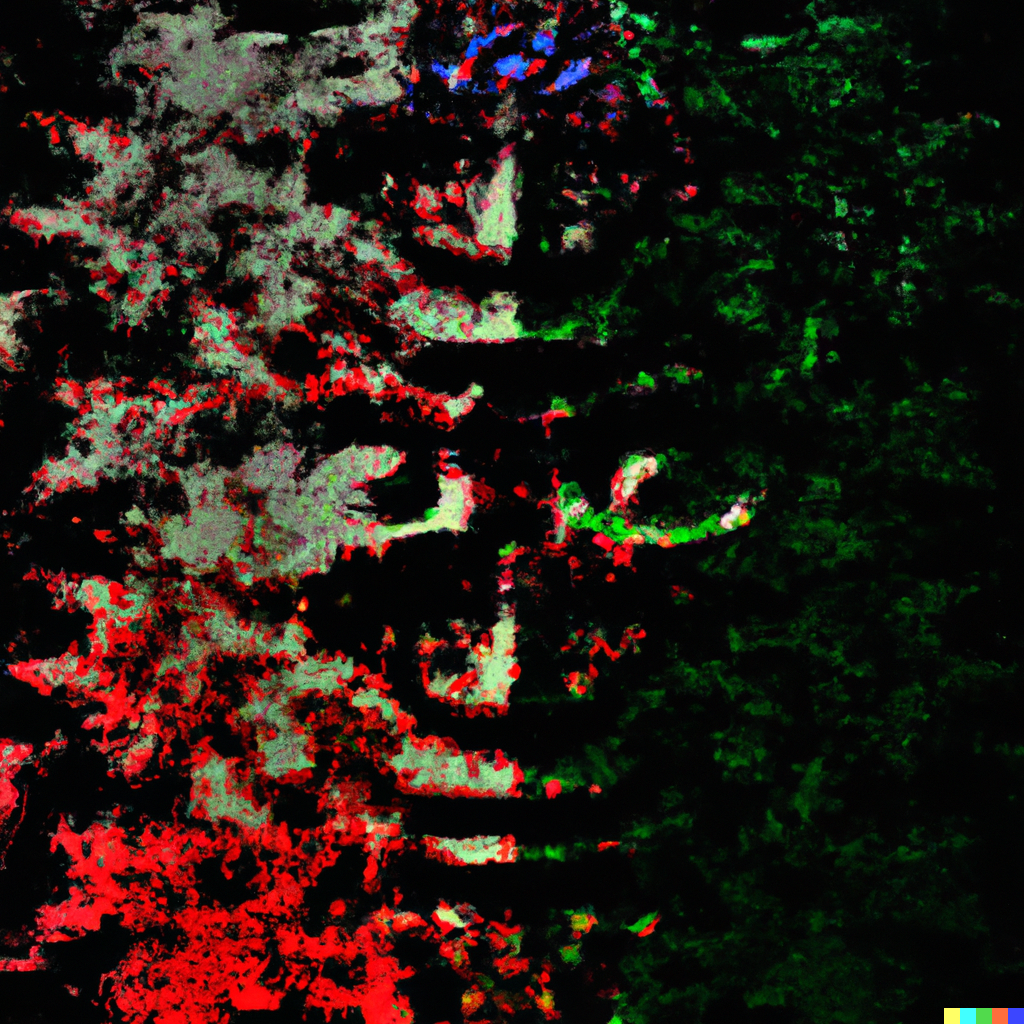
Voodoo face

DALL-E is amazing enough that some people might call its magic voodoo. It has lots of spirits in there and most of them are good.

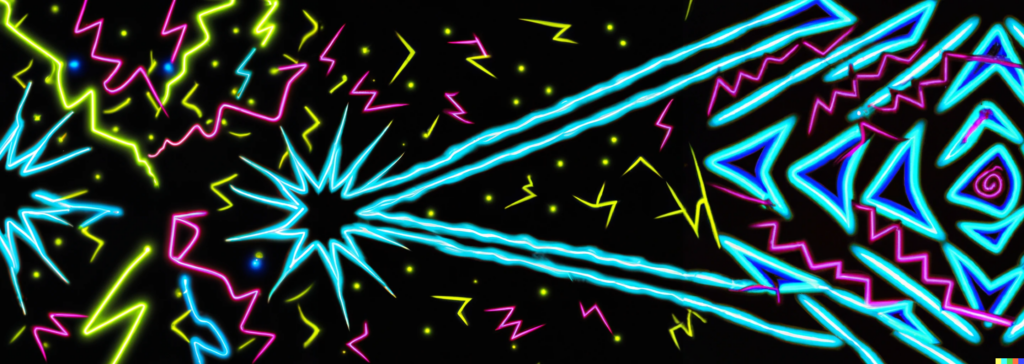
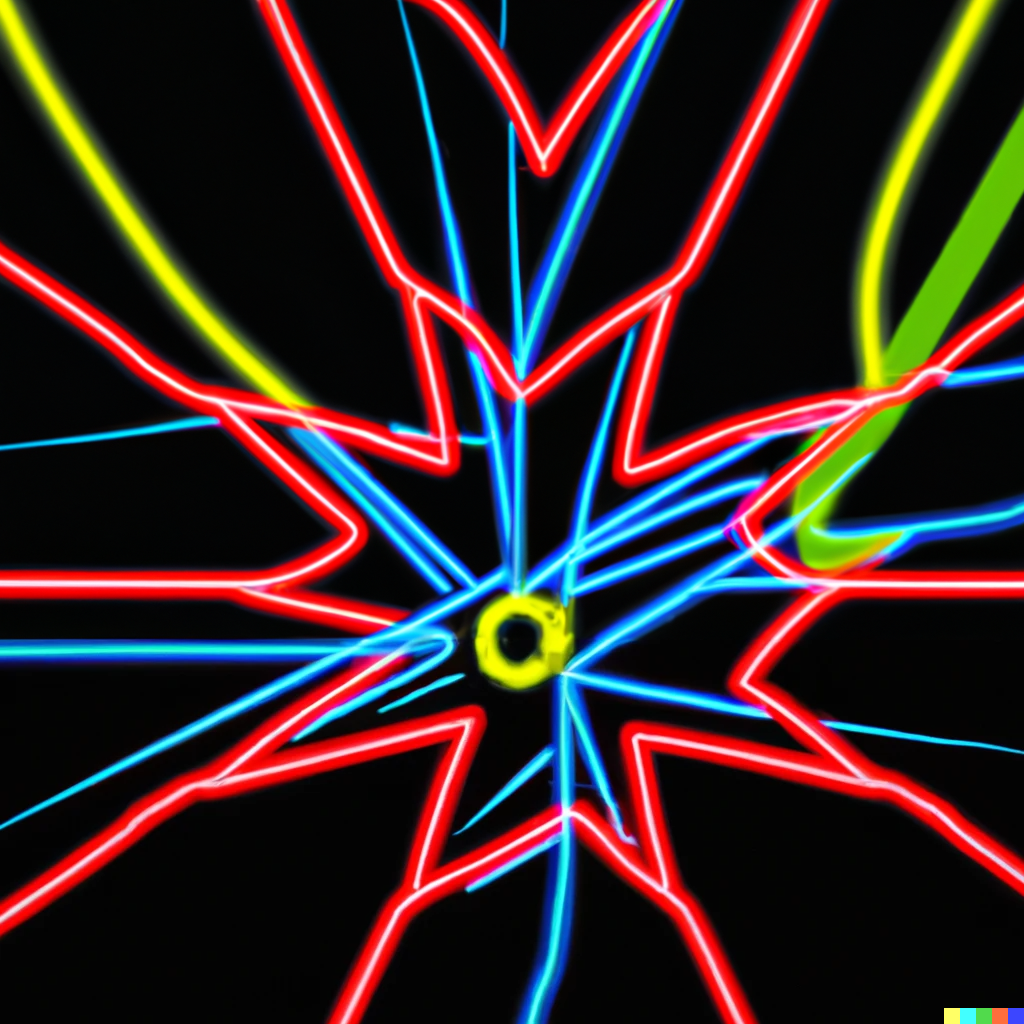
Laser convergence

Meanwhile, those laser blasters are still at it. When the beams converge, it is possible to deposit an amazing amount of energy.

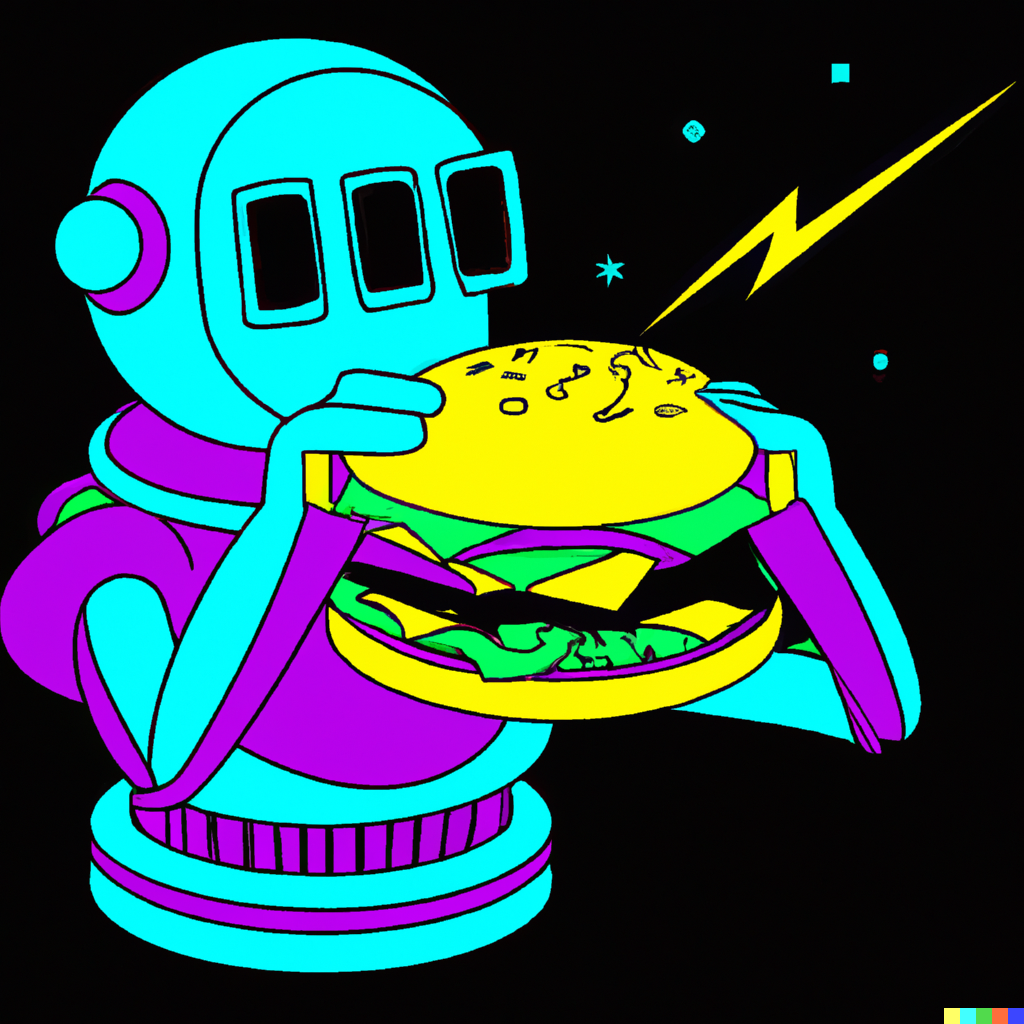
Burger time

Now I am hungry so I declare Burger Time.

DALL-E is one of the new games. It sets a very high standard for ease of use and speed of generation. Head over to openai.com and get an account. You will be very glad you did.